
If you dream of exploring Kruger National Park at your own pace, a self-drive safari is one of the best ways to experience it. Picture waking up to birdsong, planning your route over coffee, and setting out on a personal adventure with the freedom to stop wherever wildlife calls. A week in Kruger allows you to cover different habitats, spot a wide range of wildlife, and still enjoy the comforts of the park’s rest camps. Whether you’re a first-timer or a returning visitor, this one-week itinerary balances iconic routes with hidden gems, plus practical driving advice to keep you safe and stress-free on the road.
Your adventure can start at Malelane Gate, close to Nelspruit, for easy access from Johannesburg. From here, drive to Berg-en-Dal Rest Camp, an excellent first stop known for its rhino sightings and scenic mountain views. Spend your first night here settling into the rhythm of the bush. The next day, head east along the Crocodile River to Lower Sabie, one of Kruger’s most popular camps, especially for its proximity to hippos, elephants, and leopards. Stop for breakfast or coffee at Afsaal Picnic Spot along the way. The views at Sunset Dam near camp are a must in the afternoon.
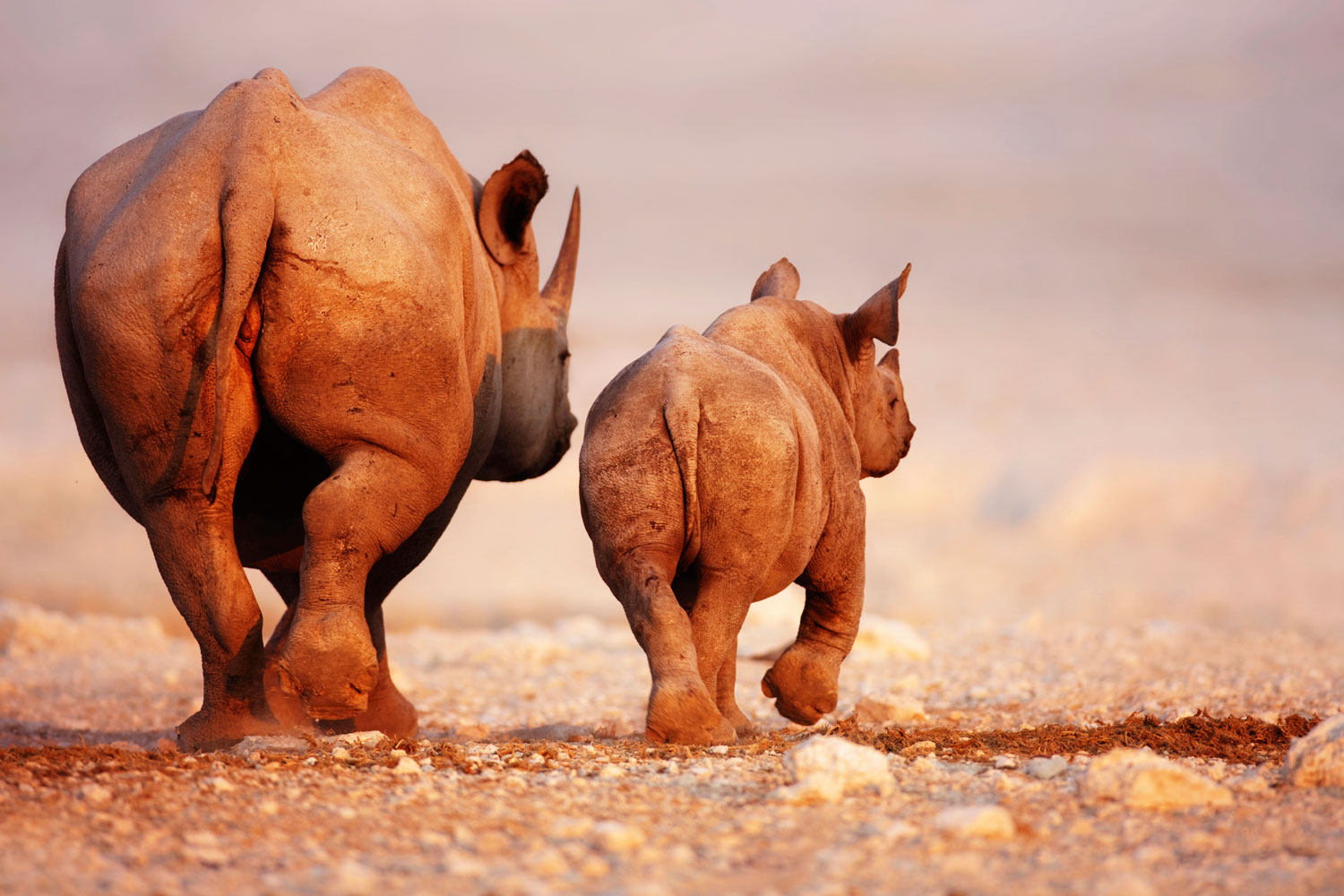
On Day 3, you’ll make your way north to Satara Rest Camp, widely regarded as “big cat country.” Lions are regularly seen along the H1-2, especially in the early mornings and late afternoons. Along the way, Tshokwane Picnic Site is the perfect place for a break. After Satara, continue north to Olifants Camp, offering breathtaking views over the Olifants River, where you can often spot elephants, crocodiles, and birds of prey.
Next, drive to Letaba Rest Camp, home to Kruger’s Elephant Hall museum and beautiful riverside landscapes. This part of the park is rich in birdlife and often quieter in terms of vehicle traffic, offering a more peaceful experience. Depending on your travel style, you can either take a relaxed drive to Mopani Camp for your final nights or make a detour to Phalaborwa Gate for supplies. Mopani offers easy access to Sable Dam, one of Kruger’s quieter bird hides. You can choose to end your trip at Phalaborwa Gate or extend your journey further north for a wilder, less-touristed experience.
If you don’t have a full seven days to explore Kruger, don’t worry—this itinerary is completely flexible. You can easily adapt it to a 2, 3, 4, 5, or 6-day trip by simply removing one or more of the overnight stops. For example, if you only have three or four days, you could focus on the southern part of the park by staying at Berg-en-Dal, Lower Sabie, and Satara, which already offer an incredible variety of wildlife. The key is to plan around your entry and exit gates to maximize your time in the park without feeling rushed. Whether it’s a quick getaway or a full week of adventure, Kruger has something for every traveler.
Throughout your week, Kruger offers a variety of picnic spots to relax at during the day. Popular options include Afsaal (on your way from Berg-en-Dal), Tshokwane (between Skukuza and Satara), and Nkhulu Picnic Site along the Sabie River. Each has shaded seating, toilets, and sometimes small shops selling light meals and drinks. Olifants Lookout Point offers one of the best picnic views in the whole park.
To make the most of your game viewing, plan your drives around the prime wildlife activity periods. Early mornings (05:30 to 08:00) are ideal for spotting predators like lions and leopards before they disappear into the bush for the day. Late afternoons (16:00 to 18:00) are also productive as animals begin to stir again, especially around waterholes. Midday drives might be quieter, but that’s when hippos, crocodiles, and elephants often gather at rivers to cool off.
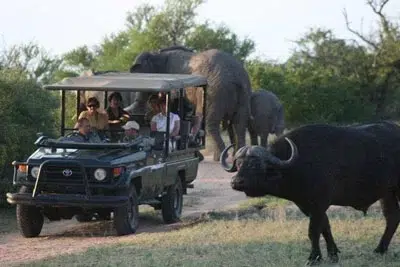
Driving safely in Kruger is crucial for your safety and the wellbeing of the park’s wildlife. Always approach animals slowly and give them plenty of space, particularly elephants, which can become aggressive if blocked. Avoid revving your engine or making sudden movements near predators. Stick to speed limits—generally 50 km/h on tar roads and 40 km/h on gravel roads—and be extra careful on bends where visibility is poor. During or after rain, expect some potholes on gravel loops.
When it comes to etiquette at sightings, patience is key. Take turns allowing vehicles better viewing angles, and don’t block others behind you. Never get out of your vehicle unless at designated areas, and avoid leaning out of windows or standing up through sunroofs. Remember: a respectful safari is a safe safari.
With careful planning and a sense of adventure, a self-drive safari through Kruger National Park is one of the most rewarding ways to experience South Africa’s wilderness. Don’t forget to carry a good park map, either digital or paper, and make your accommodation bookings early via the official SANParks website to secure your preferred camps. Whether it’s your first Kruger trip or your tenth, the road always leads to new discoveries.
Facebook Comments